
Thanksgiving 2024

Dear Friends,
We have just finished one of the most contentious, passionate and divisive presidential elections in American history. Many wonder how we can reconcile the nation’s cultural, civic, and political wounds after such a long season of divided values and disparate visions of the future.
It should be the object of all to avoid controversy, to allay passion, give full scope to reason and to every kindly feeling.[1]
With malice toward none, with charity for all, with firmness in the right as God gives us to see the right, let us strive on to finish the work we are in, to bind up the nation’s wounds…[2]
These two statements sound as if they were spoken by the same person. In fact, they were not. They were written by two opposing leaders of the greatest conflict this nation has ever faced – the Civil War. The first was penned by Confederate General Robert E. Lee in a letter after the war to a magazine editor. The latter was spoken by President Abraham Lincoln during his Second Inaugural Address on March 4, 1865.
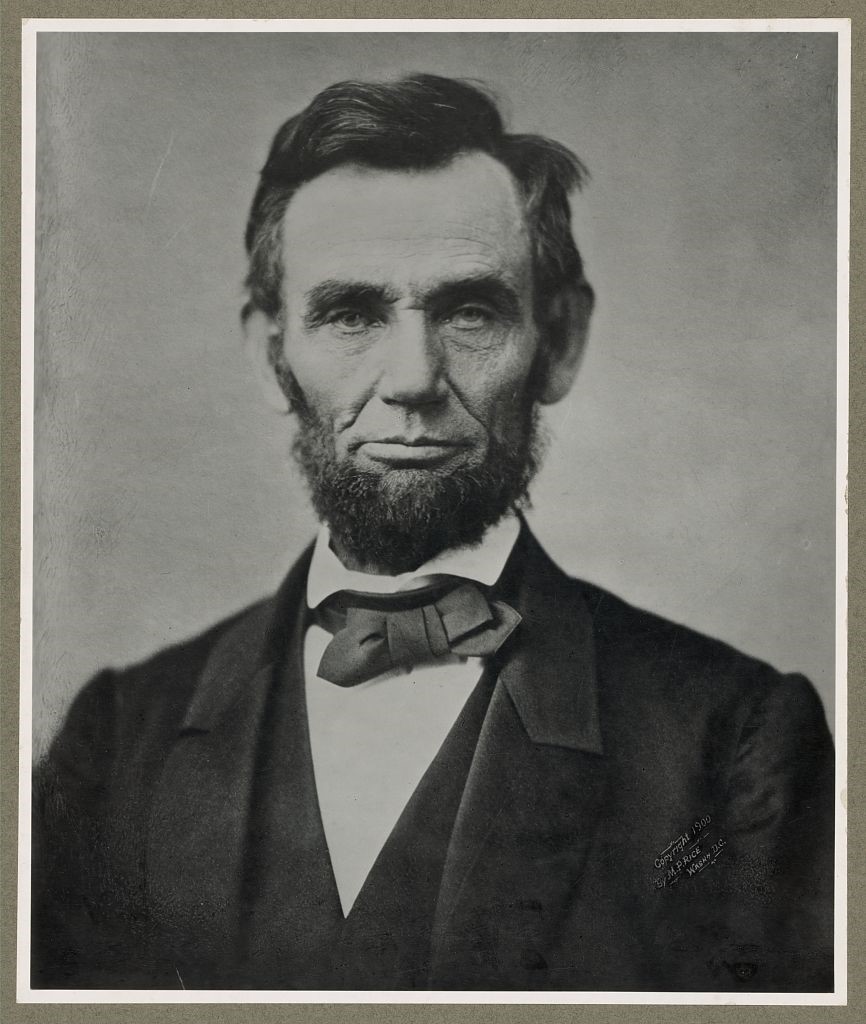
Thankfully, we have the past to guide us on our journey toward restoring civic amity and lasting reconciliation as a nation. This year marks the 159th anniversary of the Second Inaugural Address. President Abraham Lincoln’s address came at a time when the nation was so deeply polarized that the prospects of a reunited America seemed all but impossible.
Yet, as history would eventually reveal, America’s greatest days still laid ahead. What made it possible for a shattered and war-weary people to rise again from the ashes of a devastating civil conflict and go on together to build the wealthiest, most noble, and freest nation on the face of the earth?
In short, it was the example of the nation’s leadership to model wisdom, unselfishness and forgiveness that allowed us to overcome the dark demons of hate, selfishness, and revenge the Civil War had unleashed.
A case in point. Union General William Tecumseh Sherman’s infamous March to the Sea that began in 1864 literally ravaged the South. He accomplished his stated goal to irrevocably divide the Confederacy and devastate its ability to continue the war. He conducted a scorched earth campaign on the industrial, economic, and military base of the South. His victorious march hastened the end of the Civil War and helped to put an end to the astonishing number of casualties inflicted on both sides.
One of the Confederate Generals in charge of stopping him was Joseph E. Johnston. For months, Johnston fought to stem the tide of Sherman’s relentless March to the Sea that ultimately laid waste to Southern plantations, factories, and major cities such as Atlanta.
One would easily imagine that after such a brutal and prolonged campaign the two men would emerge as enemies for life. Yet, that is not what happened. A witness to the 1891 funeral for General Sherman in New York City, some quarter century after the end of the Civil War, tells of this remarkable scene:
Confederate General Joseph E. Johnston stood bareheaded at the winter funeral of General Sherman in New York. A concerned bystander leaned forward, `General, please put on your hat; you might get sick.’ Reluctantly Johnston replied, `If I were in his place, and he were standing here in mine, he would not put on his hat.’ Thirty-five days later, Joseph Eggleston Johnston (who contracted pneumonia at the event) joined his “adversary and friend.”[3]
“Adversary and friend.” Is it possible those two ideas, indeed two such individuals, can co-exist at the same time? Reason would argue we all must choose between being one’s adversary or one’s friend. Particularly when we hold diametrically opposing convictions, passions, and politics.
Thankfully, the witness of the ages, taken from the annals of the glorious American experiment, tell us we can embrace our adversaries as our friends despite our past differences.
Another case in point. The story is told that Lincoln, before his assassination, was considering requests for presidential pardons from Confederates. Typically, such requests came accompanied by letters of reference urging leniency from friends in the North. One day a letter arrived without any such letter of support.
“What,” asked Lincoln of his aide, “Has this man no friends?”
“Apparently not, sir,” came the reply.
“Then I shall be his friend,” rejoined Lincoln, who promptly signed the man’s pardon.
During this Thanksgiving season, let us remember examples of the noble Americans who came before us, and who, like us, lived in difficult and divided times. From them we learn the life-changing lesson that wisdom, forgiveness, and grace will allow us a new and promising future of reconciliation and unity.
Indeed, as the Scriptures remind us, “How good and pleasant it is when brothers dwell together in unity,” (Psalm 133:1) and, as Lincoln often quoted Jesus, “If a house is divided against itself, it cannot stand.” (Mark 3:25)
HAPPY THANKSGIVING!
The Law Offices of Mark S. Knutson, S.C.
2024

This blog post is for informational purposes only and does not constitute legal advice