
Will Your Prenup Hold Up in a Wisconsin Divorce? The 3-Part Fairness Test Explained
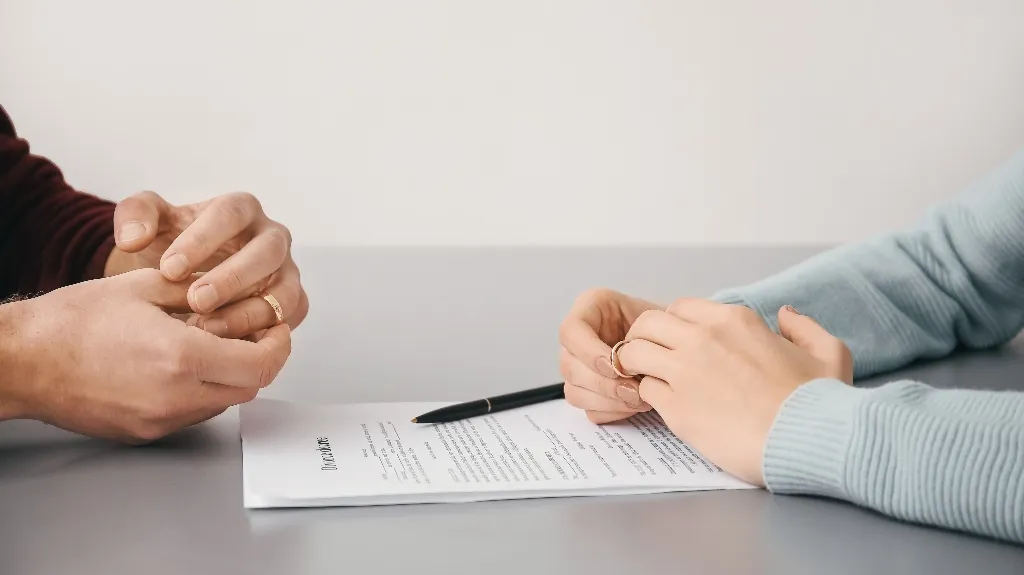
When you signed your prenuptial agreement, you might have wanted to protect a business you had spent years building, keep certain assets separate, or make sure you and your future spouse were on the same page financially. Whatever your reasons, the agreement seemed like the best way to plan ahead.
Now, if you’re facing divorce and looking at that same document, you might be asking if your prenup will hold up in a Wisconsin divorce.
These agreements can play an important role in how property is divided during a divorce. But signing one does not automatically mean every provision will be enforced. Here is what you will want to know about the 3-part fairness test.
How Does Wisconsin Evaluate a Prenuptial Agreement?
In Button v. Button, the court set the framework for evaluating the fairness of marital property agreements. The analysis looks at three key points.
1. Did You Both Understand Each Other’s Finances?
Before signing a prenup, you should have a clear picture of your future spouse’s financial situation. This can include assets, debts, income, and other financial obligations.
In some situations, one spouse signed an agreement believing their future spouse had a modest investment account. Only during the divorce do they discover the spouse also owned substantial investments and business interests that were never disclosed. That missing information could become important.
Wisconsin law addresses financial disclosure in Wis. Stat. § 766.58(6). A lack of disclosure can affect enforceability. In these cases, what you knew when you signed can matter just as much as what’s written in the agreement.
2. Did You Sign the Agreement Freely?
A prenup must reflect a voluntary decision, not one you felt forced to make. This can happen when someone receives a prenuptial agreement just days before the wedding.
Sometimes, their partner insists that the wedding is off unless they sign immediately. They may feel they have little choice but to agree, even if they have not had time to read the document carefully or get legal advice.
However, timing doesn’t automatically invalidate the agreement. But the circumstances surrounding the signing may raise questions about whether the person had an opportunity to understand the terms and make a free decision.
3. Are the Terms Fair?
Even if you and your future spouse understood the agreement and signed it voluntarily, the terms themselves are still important.
A prenup does not have to divide everything equally to be valid. You might reasonably agree to protect a business you owned before marriage, keep certain premarital assets separate, or discuss some parts of child support or alimony. The important question is whether the agreement’s property provisions are legal.
What Happens if Your Prenup Doesn’t Pass the Test?
If you believe your prenup is unfair or was signed under questionable circumstances, you could challenge it with help from your attorney.
Wisconsin law does allow a few reasons a marital property agreement may be unenforceable, including:
- Unconscionability when the agreement was made
- Involuntary execution
- Certain problems involving financial disclosure and notice
While these legal requirements overlap with the fairness considerations, they are not the same test.
If a court refuses to enforce your agreement, that decision could affect how property is divided in your divorce. However, an unfavorable provision does not always invalidate the entire agreement. That depends on the agreement’s language, the issues raised, and the applicable law.
Can You Challenge a Prenup During a Wisconsin Divorce?
If you believe your prenuptial agreement shouldn’t be enforced, you can raise that issue during your divorce proceedings. You want to get a copy of the agreement and any financial disclosures you received before signing.
Emails, text messages, and other communications about the agreement may also help establish what happened. If you felt pressured to sign or didn’t have a full understanding of your spouse’s finances, write down what you remember while the details are still fresh.
With help from a Wisconsin family law attorney, they can review the document and help you understand your options.

Get Help for Your Prenuptial Agreement
Will your prenup hold up in a Wisconsin divorce? You may be wondering whether the terms are enforceable, whether you have grounds to challenge them, or what happens if the court decides not to uphold the agreement. Fortunately, Wisconsin courts use a 3-part fairness test.
At the Law Offices of Mark S. Knutson, S.C., we can help with how Wisconsin law may apply to your prenuptial agreement and provide a few options for taking the next step. Schedule a consultation today.
This blog post is for informational purposes only and does not constitute legal advice